 Skip to content

Introduction
Planning an accessible bathroom can feel overwhelming. From understanding the different types to weighing costs and considering long-term safety, it’s easy to feel unsure where to start. This guide breaks everything down, providing clear explanations and expert advice so you can make confident decisions for yourself or a loved one. By the end, you’ll know all about mobility bathrooms, the options available, and how to choose the right design for your home.
What Is a Mobility Bathroom?
A mobility bathroom is a specially designed space that prioritises safety, accessibility, and comfort for people with reduced mobility. Unlike standard bathrooms, they include features such as low-threshold entry, slip-resistant flooring, and grab rails. They are ideal for older adults, individuals with disabilities, or anyone who wants to maintain independence at home while reducing the risk of falls. Carers also benefit, as these adaptations make daily routines safer and easier.
Types of Mobility Bathrooms
Age Care Bathrooms offers a range of solutions to suit different needs:
Walk-In Baths
Walk-in baths provide a safe bathing experience with comfort features like hydrotherapy jets, seating, and assisted entry options.
Walk-In Showers
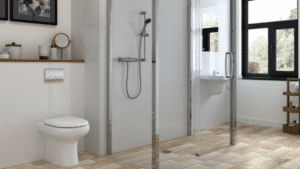
These showers have no-step entry, anti-slip flooring, and can include fold-down seats and hand-held controls, making them perfect for anyone wanting ease of access.
Wet Rooms
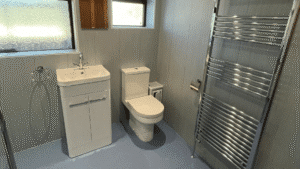
Wet rooms are fully open spaces with wheelchair access and waterproof safety flooring, ideal for larger mobility needs and full accessibility.
Combination Designs
Flexible layouts can include a mix of baths, showers, and wet room features, suitable for couples or multi-generational homes.
Key Features to Consider
When planning a mobility bathroom, look for the following:
- Slip-resistant flooring for secure footing
- Grab rails and built-in seating for support
- Thermostatic safety controls to prevent scalding
- Low-threshold entries or step-free access
- Easy-clean wall panels for hygiene
- Well-placed lighting and ventilation
- Optional extras: fold-down benches, shower seats, hand-held controls
These features not only improve safety but also enhance comfort and convenience.
How Much Does a Mobility Bathroom Cost?
Typical price ranges include:
- Walk-in baths: from £7,500
- Walk-in showers: from £8,500
- Full wet rooms: from £13,500
Costs generally cover design, installation, and aftercare. Age Care Bathrooms also offers finance options to make installations more affordable, as well as VAT-free installations for eligible customers.
VAT-Free Bathrooms and Financial Help
If you or a loved one has a long-term illness or disability, you may qualify for 0% VAT on bathroom adaptations. You can learn more on our VAT-Free Installation page or consult GOV.UK’s VAT relief guidance. Flexible payment options are also available to spread the cost over time.
The Installation Process
Our 6-step process ensures a stress-free experience from start to finish:
- Free home consultation
- Bespoke bathroom design
- Full product selection and planning
- Professional installation
- Quality checks and safety inspections
- Aftercare and support
Learn more about our process on our website. We manage everything, making it simple for you and your family.
Future-Proofing and Design Tips
Choosing a bathroom that ages gracefully is key. Think ahead to future mobility needs to avoid costly or stressful modifications later. Planning now helps maintain independence, confidence, and peace of mind.
Aftercare and Maintenance
With ForeverCare and Age Care Maintenance services, ongoing support is assured. From routine upkeep to emergency repairs, we ensure your bathroom remains safe, functional, and comfortable for years to come.
Conclusion
A well-designed mobility bathroom can transform daily life, offering safety, independence, and comfort. Don’t wait for a crisis to make the change.
Book your free home design consultation today or download our free brochure.